Variables Influencing Pool Maintenance Estimates
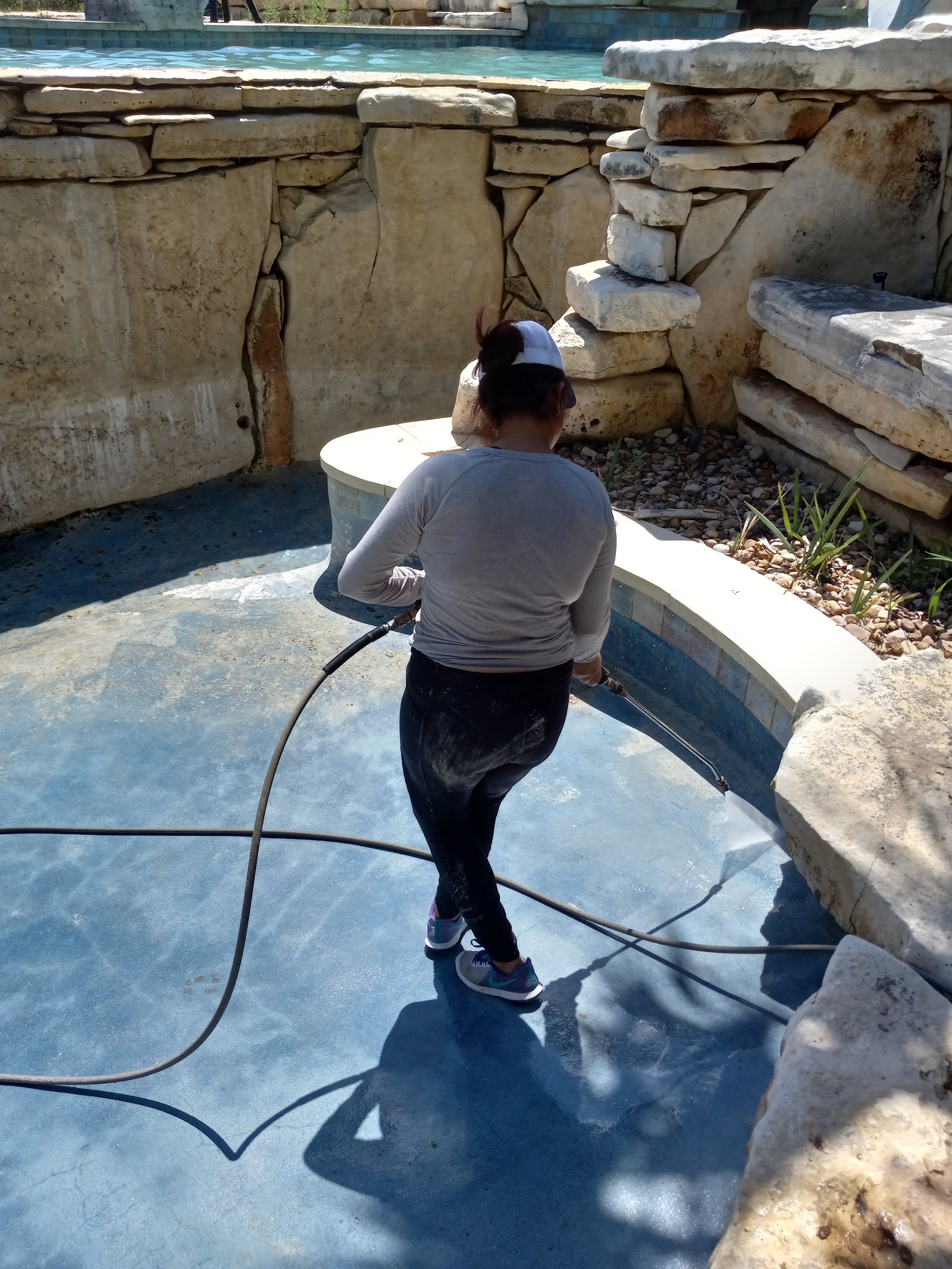
When you request a service estimate, several factors influence the final work scope and the associated effort required. The size and type of your pool, such as whether it is a salt or chlorine system, play a significant role in determining how much chemistry and cleaning time is needed. Larger pools naturally require more chemicals and longer filtration cycles, which impacts the frequency and duration of our visits. Additionally, the surrounding environment, including nearby trees or landscaping, often increases the volume of debris that enters the water, necessitating more intensive cleaning sessions during each visit.
Our process begins with an on-site assessment where we look at the current condition of your equipment and water. We consider the age of your pool technology, as older systems may require more specialized parts or more frequent adjustments to maintain efficiency. By evaluating the specific needs of your pool, we can provide a clearer picture of what the service involves. Our goal is to ensure you understand the work being performed, whether it is a one-time repair or a recurring maintenance plan designed to keep your pool in optimal condition.
The Impact of Equipment Complexity
Modern pool equipment has become increasingly sophisticated, incorporating automation, variable-speed pumps, and advanced sanitization systems. While these features offer greater efficiency, they also require specialized knowledge to repair and maintain. If your pool uses complex electronics or integrated control systems, the cost of service often reflects the technical expertise and diagnostic time required to troubleshoot these components. Simple mechanical repairs on older, standard equipment are often more straightforward, whereas newer, digitally controlled systems may require different diagnostic approaches and specific parts that must be sourced accurately to ensure compatibility.
When we arrive at your property, we bring the tools necessary to handle a wide range of equipment issues. If a repair involves replacing a motor, a circuit board, or a complex plumbing valve, the cost is driven by the time spent diagnosing the problem and the specific components needed to complete the job. We always aim to provide a transparent view of the work, noting whether a repair is a minor adjustment or a more significant component replacement. Understanding the complexity of your setup helps you anticipate the resources needed to keep your equipment running smoothly.
Assessing Repair Needs and Replacement Parts
When something breaks, the cost of the repair is largely determined by the nature of the failure and the cost of the replacement parts. A minor leak from a loose fitting is a quick fix, while a cracked pump housing or a failing filter grid requires more labor and potentially more expensive materials. We assess each situation individually to determine if a repair is viable or if a replacement is more cost-effective in the long term. This assessment is vital for helping you make an informed decision about how to handle your pool’s maintenance and repair needs.
Our crew works on-site, meaning we perform the necessary labor in your own yard. This avoids the need for you to transport heavy equipment to a shop, but it also means that the time spent on-site is a factor in the service estimate. We aim to be efficient, arriving with the right tools to minimize the time we spend at your home. When you receive an estimate, it covers the professional labor, the expertise required to execute the repair, and the quality of the parts used to ensure the fix lasts for a significant duration.
Understanding Routine Service Versus One-Time Jobs
There is a distinct difference between routine weekly maintenance and one-time, urgent repairs. Routine service is designed to prevent problems before they start, keeping your water chemistry balanced and your filter clean. This predictable, scheduled approach often proves to be the most cost-effective way to manage a pool, as it avoids the high costs associated with emergency repairs like green pool recovery or motor replacements. By keeping the pool clean and the equipment running within its design limits, you prevent the accumulation of issues that eventually require a major, unplanned investment.
Conversely, one-time jobs, such as a deep cleaning or an emergency repair, are often more intensive because they address a backlog of maintenance or a sudden failure. If a pool has been left unattended, it may require multiple visits and a higher volume of chemicals to restore the water quality. We explain the difference between these scenarios during our site visit, helping you understand why a particular job requires the labor and materials it does. Our focus is on providing high-quality service that restores your pool to a safe and enjoyable state.
Planning for Your Pool Maintenance Needs
Knowing what affects the cost of service empowers you as a homeowner to make better decisions for your pool. Whether you are looking for a weekly cleaning service or a specific repair, the best approach is to be proactive. Discussing your specific needs with a professional allows you to get an accurate assessment of the work involved. We take pride in our ability to explain the steps we take during our visits, from the moment we arrive at your property to the time we finish the work and clear up the site.
When you are ready to move forward, ensure you understand the scope of the work and what is included in the estimate. A clear understanding of the factors involved—such as equipment age, water condition, and the nature of the repairs—will help you manage your pool maintenance budget effectively. By choosing a service provider that values transparency and quality, you can ensure that your pool remains a reliable and enjoyable part of your home. We are here to help you navigate these decisions, ensuring your pool stays in great condition all year round.